
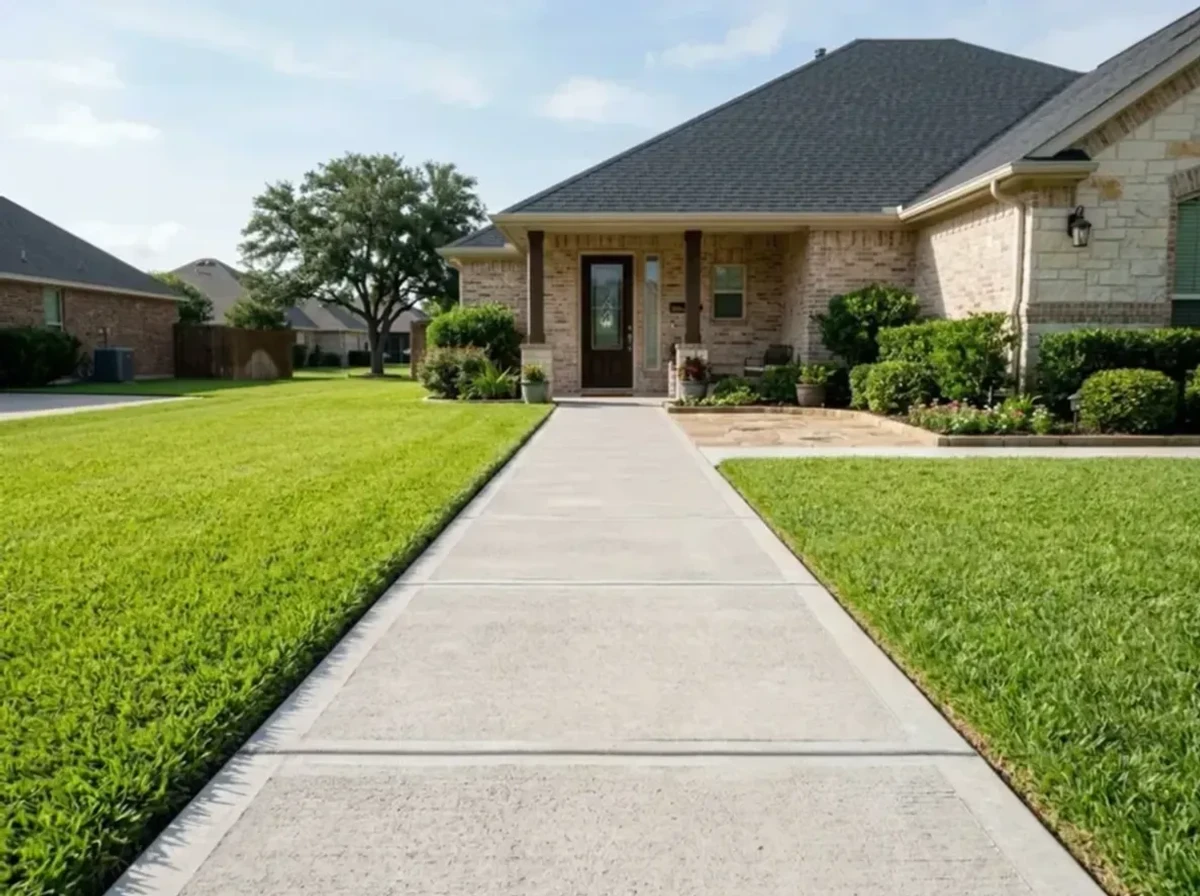
Residential Flatwork
Concrete Sidewalk Installation in Conroe & Montgomery County
Cracked, heaved, or missing sidewalks are more than an eyesore — they’re trip hazards. A properly poured sidewalk handles foot traffic, mower wheels, and tree root pressure for decades.
The Service
What Is a Concrete Sidewalk?
A concrete sidewalk is a narrow flatwork slab — typically 3 to 5 feet wide — designed for pedestrian traffic. Residential sidewalks connect your driveway to the front door, wrap around the house to the backyard, or provide a defined walking path through landscaping. The surface is broom-finished for traction and graded to drain water off the walking surface.
Installation follows the same fundamentals as any flatwork pour but at a smaller scale. The path is excavated and the subgrade is compacted. Forms are set to width and grade, with slope verified to prevent ponding. Reinforcement — typically fiber mesh or wire mesh — is placed. Concrete is poured, screeded, floated, and broom-finished. Control joints are cut at intervals equal to 2–3 times the sidewalk width.
Proper grading, joint placement, subgrade prep in our clay, and ADA-compliant slope separate a sidewalk that lasts from one that cracks, settles, and creates problems within a few years.
Our concrete sidewalks and walkways are built with Montgomery County’s clay soils in mind. Proper base preparation, correct joint spacing, and reinforcement prevent the heaving and cracking that plague poorly installed walkways. We handle new installations, replacements, and ADA-compliant commercial walkways. Every sidewalk is finished with a slip-resistant surface for safety.
What You Get
Key Benefits of Our Sidewalks
Proper base prep for clay soil conditions
Correct joint spacing prevents heaving
Slip-resistant finishes for safety
ADA-compliant options available
New installations and replacements
Our Process
How We Handle Every Project
Layout & Subgrade
Excavate path, remove organics, compact subgrade. Root barriers installed alongside new pours in neighborhoods with mature trees to prevent future heaving.
Form & Pour
Forms set to width and grade, ADA-compliant cross-slope (max 2%), fiber mesh reinforcement. Poured, screeded, hand-finished with a broom for wet-weather traction.
Joint Cutting
Control joints cut at intervals equal to 2–3x the sidewalk width — every 6–9 feet on a 3-foot walk — to control where cracks form.
The Difference
Why Choose Creative Concrete Designs for Sidewalks
Firefighter-owned and operated by Michael Goff. Discipline, accountability, and pride on every pour across Montgomery County.
ADA-Compliant Slope & Grade
Every sidewalk is poured with proper cross-slope (max 2%) and running slope for safe, accessible walking surfaces. Not just good practice — it protects you from liability.
Root Barrier Installation
In established neighborhoods with mature trees, we install root barriers alongside new sidewalk pours when tree roots are present. Prevents the heaving that destroyed your old sidewalk from repeating.
Section Replacement Expertise
Sometimes you don’t need a full new sidewalk — you need three or four panels replaced. We saw-cut and remove damaged sections, re-prep the subgrade, and pour replacements that match in width, thickness, and finish.
Trip Hazard Prevention by Design
Joint spacing, slab thickness, and subgrade compaction all target the specific problems that cause sidewalk failure in clay soil — not just adequate, but optimized.
Common Questions
Sidewalks FAQ
How wide should a residential sidewalk be?
Front entry walkways should be at least 36 inches — 48 inches is better for two people to walk side by side. Side-yard access paths can be narrower (24–30 inches) where space is limited. ADA guidelines recommend 36 inches minimum.
How do you prevent sidewalk cracks?
Control joints are the primary tool. Cut at intervals of 2–3 times the sidewalk width, they create planned weak points where the concrete cracks internally instead of randomly across the surface. Proper subgrade compaction, adequate thickness, and fiber mesh reinforcement reduce cracking further.
Can you replace just one section of my sidewalk?
Yes. We saw-cut and remove individual panels without disturbing adjacent good sections. The subgrade is re-prepped, new forms set to match existing grade, and fresh concrete poured and finished to match. Common for tree-root or soil-settlement damage.
Do sidewalks need rebar?
Standard residential sidewalks at 4” thickness typically use fiber mesh reinforcement mixed into the concrete. Wire mesh or rebar is used for sidewalks crossing driveways, thickened edges, or where subgrade conditions warrant it.
How long after pouring can I walk on a new sidewalk?
Light foot traffic is safe after 24 hours. Normal use can begin at 48–72 hours. The concrete continues gaining strength for 28 days, but the surface is durable enough for walking well before that.
My sidewalk is heaving — can you fix it?
Heaving is usually caused by tree roots or expansive clay soil pushing sections up. Minor heaving can sometimes be ground down. Significant displacement requires removing the affected sections, addressing the root cause, and pouring new panels.
Where We Work
Sidewalks Across Montgomery County
We install sidewalks for homeowners throughout the Montgomery County, TX area and surrounding communities. Pick your city for local details.
Explore More
Other Concrete Services
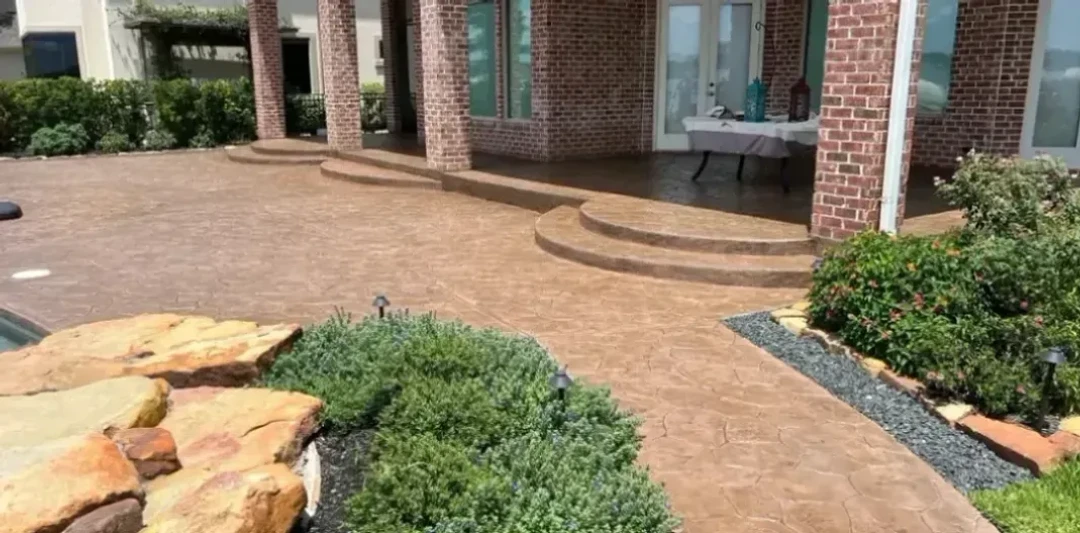
Stamped Concrete
Beautiful stamped concrete that mimics natural stone, brick, or tile at a fraction of the cost. Endless patterns and colors available.
Learn More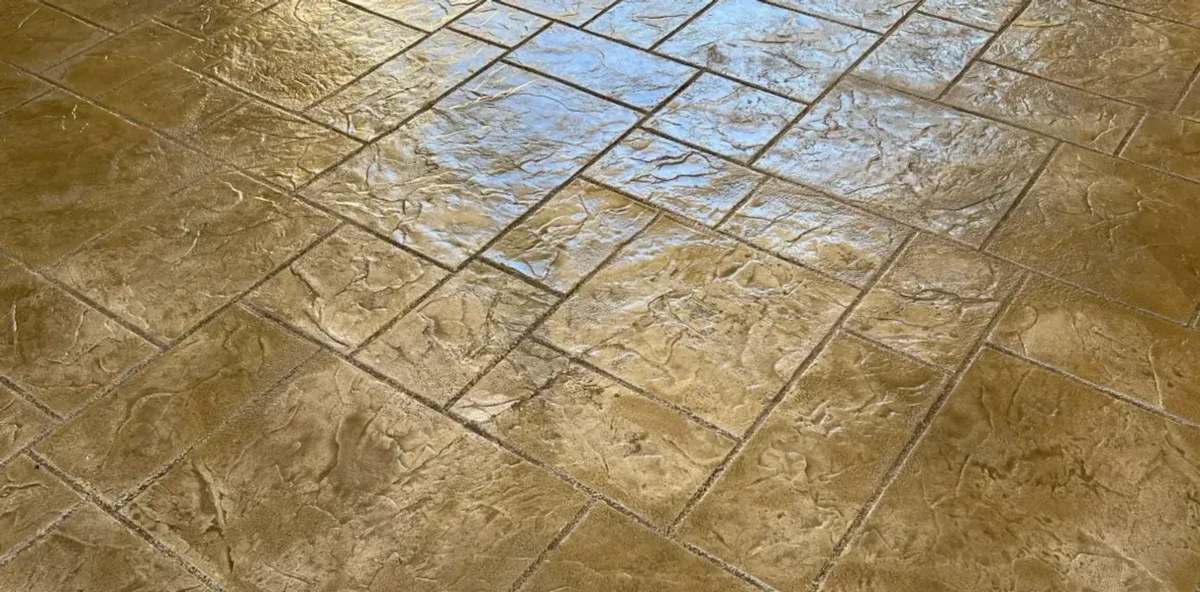
Stamped Overlays
Transform existing concrete surfaces with a decorative stamped overlay. Revitalize old patios and driveways without full replacement.
Learn More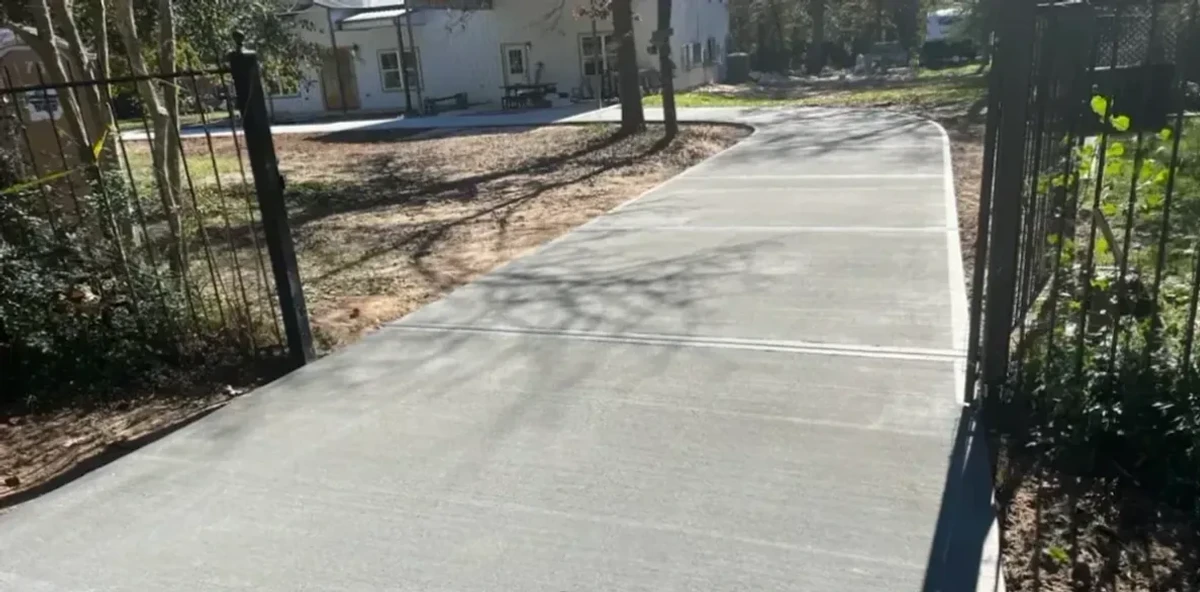
Concrete Driveways
Smooth, durable concrete driveways built to handle daily traffic and Texas weather. New pours, extensions, and replacements available.
Learn More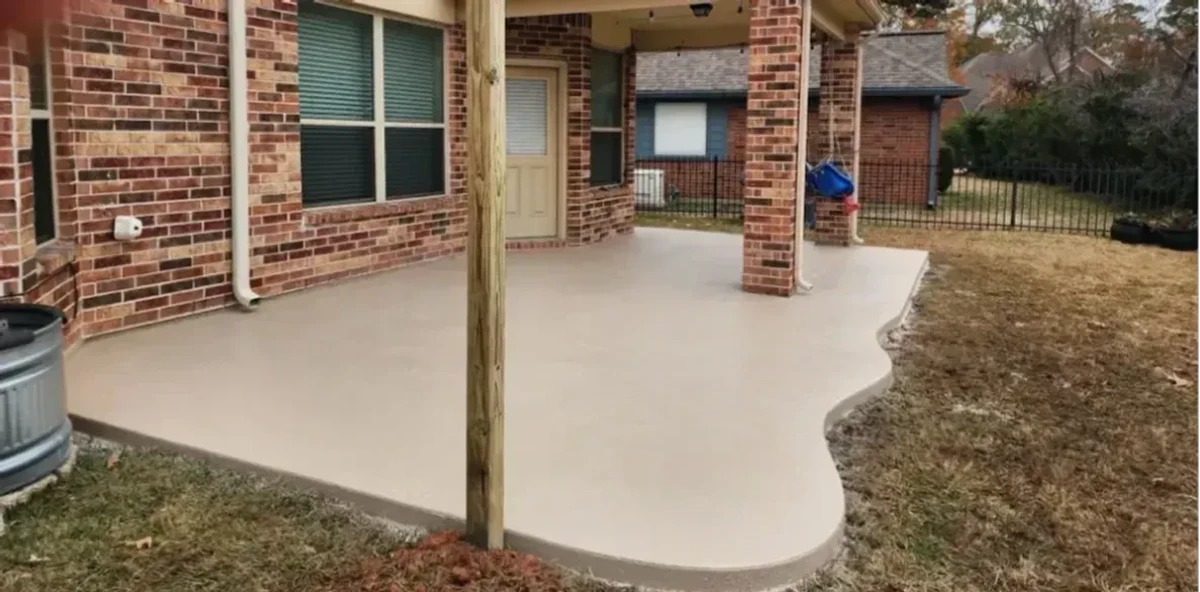
Concrete Patios
Custom-designed concrete patios that extend your living space outdoors. Durable, beautiful, and built to last for decades.
Learn More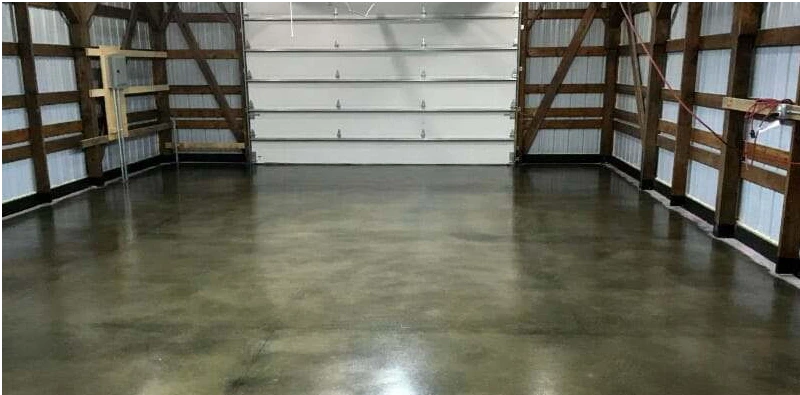
Concrete Staining
Acid stains for natural variation or dye stains for bold, modern looks. Transform plain concrete into a work of art.
Learn More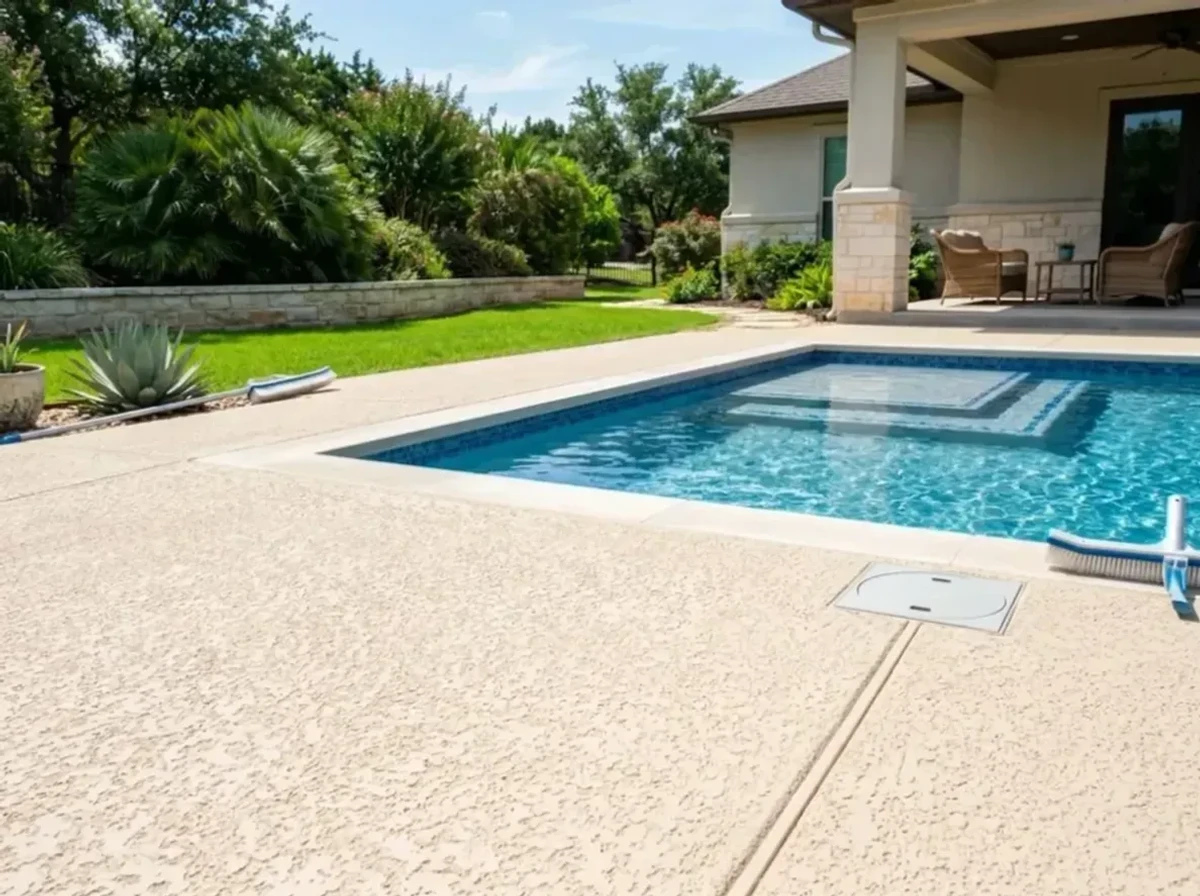
Spray Deck
Cool, slip-resistant spray deck coatings perfect for pool decks and outdoor areas. Stays comfortable even in Texas summer heat.
Learn MoreReady to book your sidewalks project?
Michael and the Creative Concrete Designs crew are pouring sidewalks projects across Conroe, The Woodlands, and Montgomery. Get a same-day estimate with real pricing — no guesswork, no pressure.